Rethinking Technology for Inclusion Across ASEAN
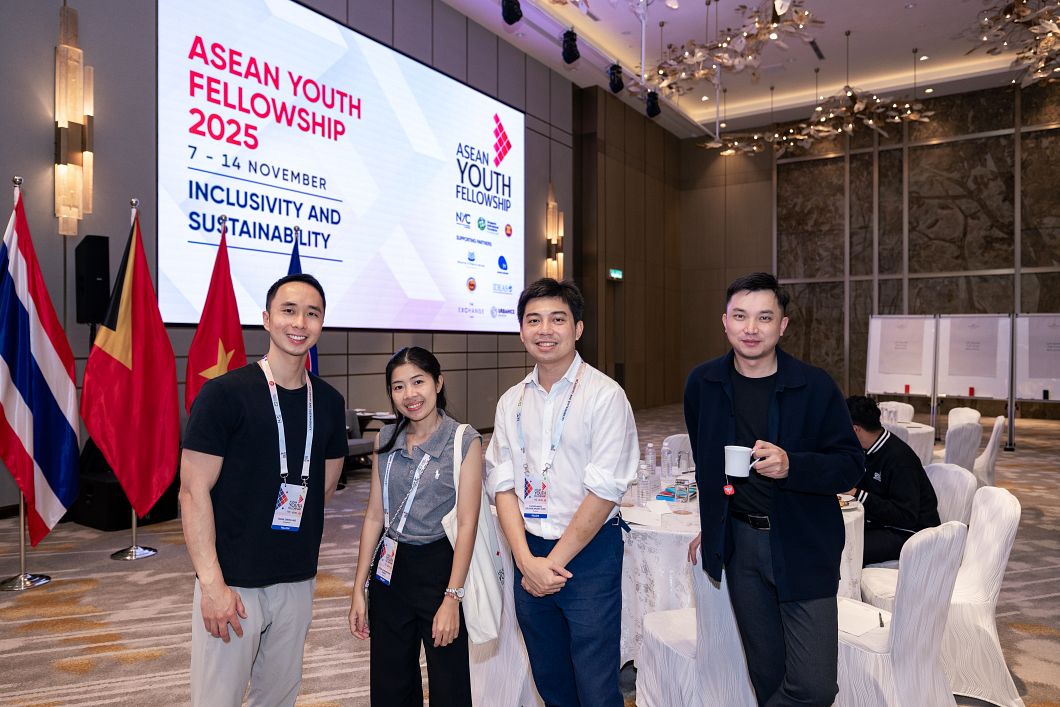
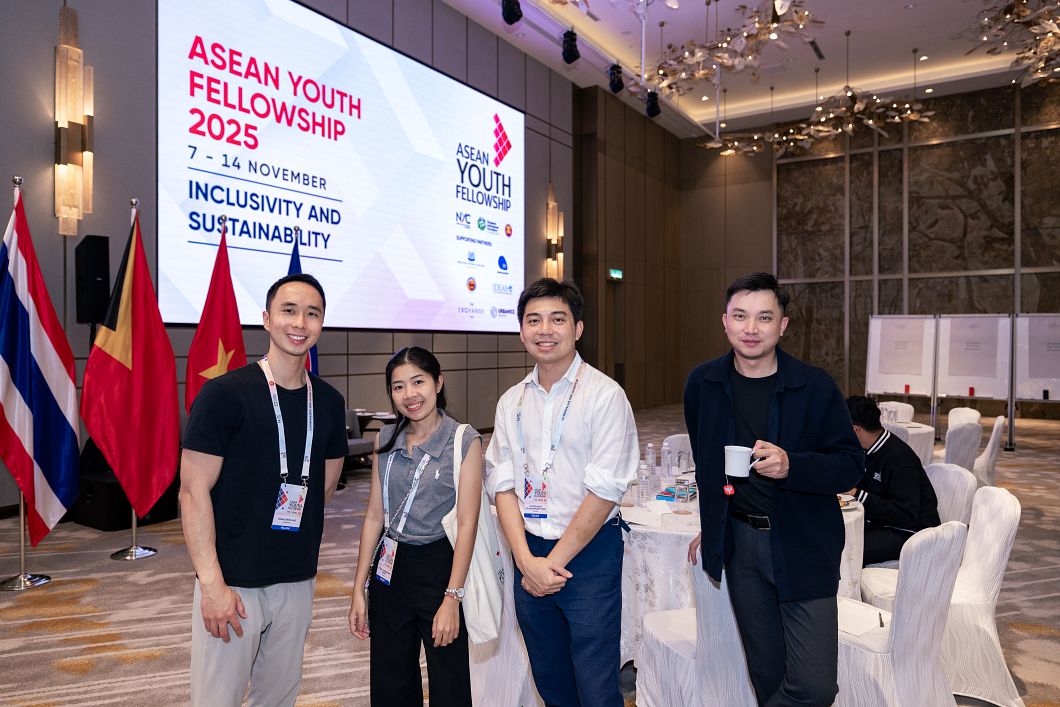
When systems come under pressure, technology reveals what it is really designed to do.
For Quah Zhengwei, Chief Executive Officer (CEO) and co-founder of Accredify, that moment came early in the COVID-19 pandemic.
“In the very early days of Accredify, COVID hit. A lot of things stopped,” he recalls. “One of the first projects that we had was to help foreign workers in Singapore quickly return to their dormitory with the right discharge memos issued by the Ministry of Health.”
The work was not about innovation for its own sake; it was about clarity, coordination, and speed at a time of widespread uncertainty. In that moment, technology became a means of restoring order and dignity, particularly for communities that often remain unseen.
This focus on people rather than platforms is a thread that runs through Zhengwei’s work, a sentiment echoed by fellow ASEAN Youth Fellowship (AYF) 2025 participant Windy Natriavi. Currently, the co-founder and Chief Product Officer (CPO) of AwanTunai whose career spanned fintech, product strategy and business transformation in regional markets.
Co-organised annually by the Singapore International Foundation (SIF) and the National Youth Council (NYC) Singapore, AYF is a leadership development programme designed to drive inclusive, sustainable development in ASEAN. It brings together exceptional young changemakers like Zhengwei and Windy from across Southeast Asia to exchange perspectives shaped by different cultural contexts and challenges.
Leadership that begins with proximity
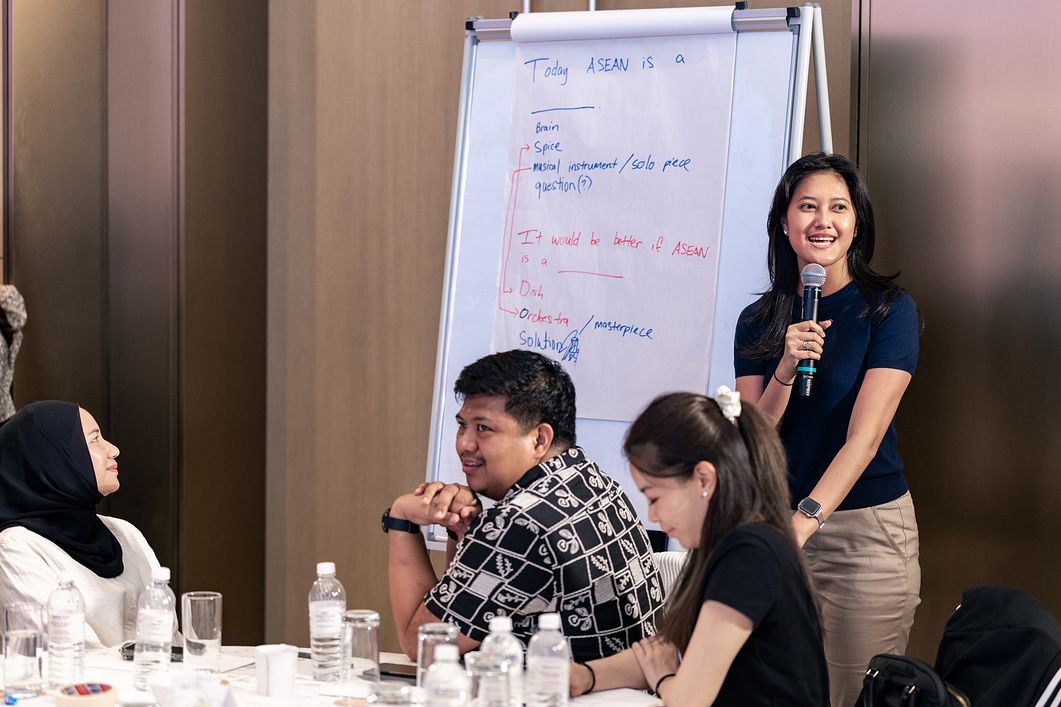
Windy’s understanding of inclusive technology was shaped during her time was shaped during her time as Vice President of Growth at Gojek, where she led the expansion of on-demand home and lifestyle services. The role brought her close to workers in the informal economy and the realities that digital platforms can either improve or overlook.
“These are the people that are actually around me,” she says. “I realised that I could make a big impact on their earnings by facilitating access between their services and demand from the wider Indonesian market.”
For Windy, leadership was not defined by distance or authority, but by connection to the people affected by those decisions. What happens in boardrooms translates directly into livelihoods, making access and fairness essential considerations rather than afterthoughts. This perspective challenges common assumptions about youth leadership. Rather than being driven by idealism alone, it is grounded in responsibility and lived experience.
Designing for access, not abstraction
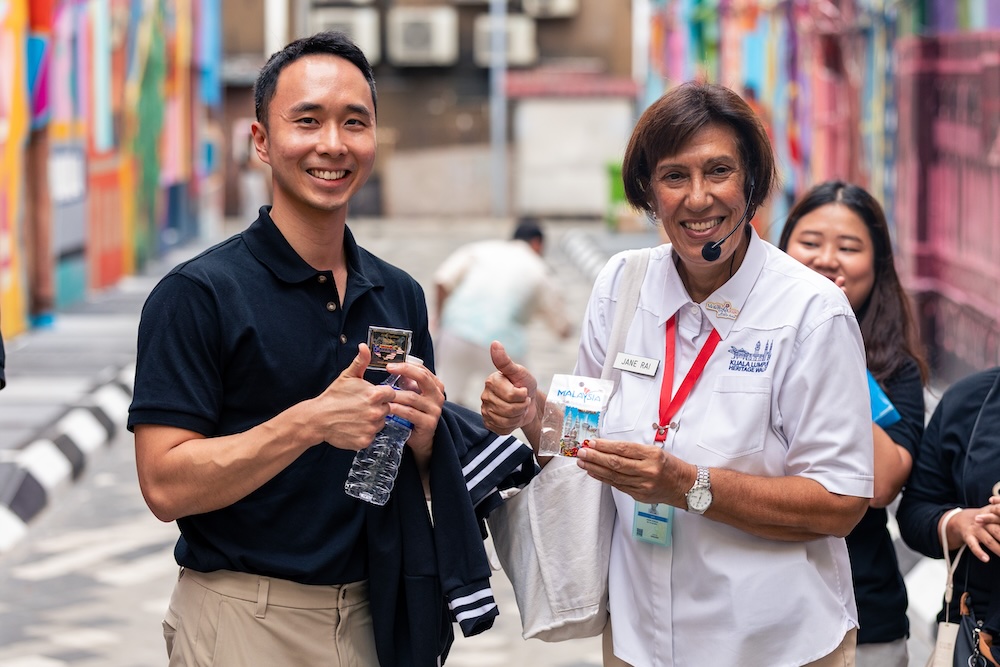
Across ASEAN, technology does not run on equal grounds. Variations in cultural or societal norms, regulatory environments, and digital competencies shape how systems are adopted and trusted. Zhengwei sees this complexity as a design challenge rather than a barrier.
“We look at language differences, digital readiness differences, and regulatory differences,” he explains. “Oftentimes it’s about finding the lowest denominator.”
Designing for access, in this sense, means building systems that can be understood and used by those with the least margin for error. Without this, scale risks deepening existing divides. Windy’s experience working across borders reinforces this point.
“What works in one country does not necessarily work in another Asian country,” she reflects.
While ASEAN is often described as a collective, its diversity demands tailored solutions. Effective technology must respond to those differences, not flatten them.
Trust as infrastructure
In sectors where digital systems shape important or sensitive decisions, trust becomes foundational. Zhengwei firmly believes that trust is not an outcome but a practice.
“Trust is the core of what we do. Our product, our values, the way that we run our business,” he says.
It is built through transparency, clear communication, and responsiveness, particularly when technology is complex or unfamiliar. This is also where entrepreneurship intersects with policy, and where collaboration becomes essential. While startups often prioritise speed, both Fellows recognise that inclusive progress requires care, safeguards and sustained dialogue with policymakers and communities alike to find solutions that are accessible and safe.
A regional vision, grounded in reality
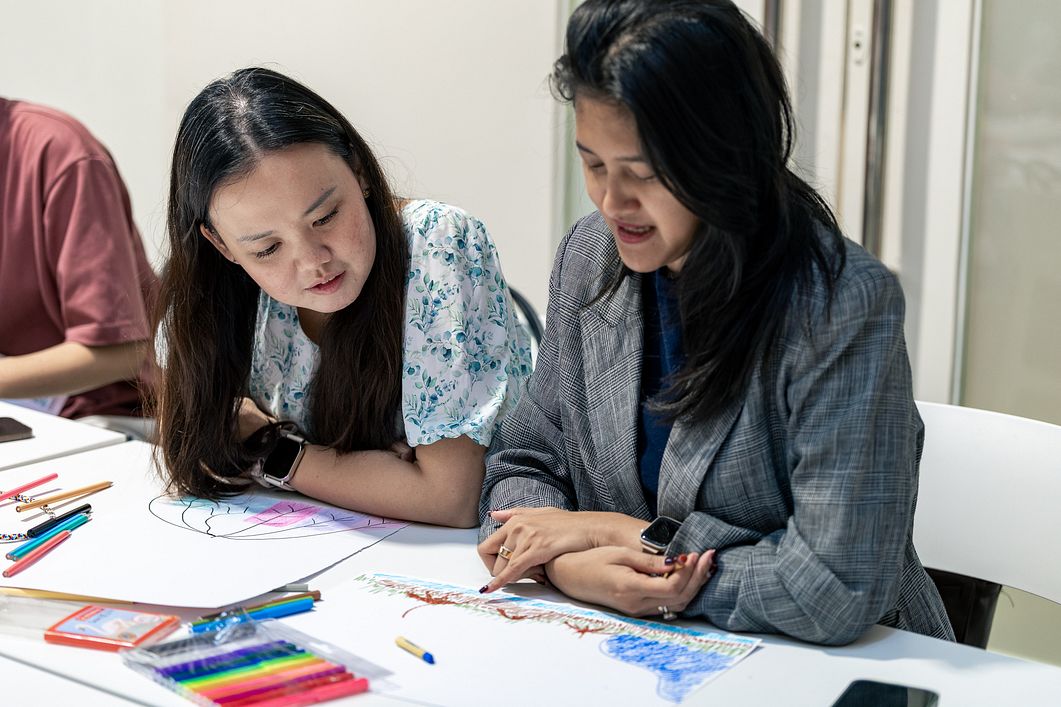
AYF 2025 aligned with the ASEAN Chairmanship theme of “Inclusivity and Sustainability”, framing technology as a shared regional responsibility rather than a competitive advantage. Together with peers from across the region, Zhengwei and Windy exchanged ideas on strengthening regional cooperation in key areas such as sustainability, digital innovation, inclusive leadership and community resilience. It creates a space for reflection and dialogue across borders, reinforcing an idea both Fellows embody: that meaningful progress begins with listening.
“One innovation I’d really like to see is a cross-border marketplace within ASEAN,” Windy shares.
Her vision highlights the many small and medium enterprises across the region producing high-quality, niche products, yet lacking pathways to wider markets.
In this future, technology is not the headline; it is the bridge.
Applications are now open! Follow in the footsteps of Windy and Zhengwei’s stories, and our network of ASEAN changemakers. Apply here and follow our socials to for more details!